REVIEW · PATTAYA
Bangkok: Floating Market and Train Market Experience
Book on GetYourGuide →Operated by TRIPZA sightseeing · Bookable on GetYourGuide
A train passes through a market, right in front of you. This day trip strings together Maeklong Railway Market and the Damnoen Saduak Floating Market with a real local train ride, a longtail boat ride, and a licensed English-speaking guide who keeps things moving.
I really like how structured the day is: you get time to walk and browse on your own at both markets, not just a rushed drop-and-go. I also like the cultural add-on through an audio guide available in 28 languages, so you can follow along even if the live guide is English-only. One drawback to consider is that both markets are popular and can be crowded, so bring your patience (and your hat) for the busier moments.
In This Review
- Key Things I’d Watch For on This Day Trip
- Why Maeklong and Damnoen Saduak Pair So Well
- Getting There: Start Times, Drive Time, and Why “On Time” Matters
- Maeklong Railway Market: The Train-Passing Moment You Can’t Fake
- Longtail Boat to Damnoen Saduak: Canal Views and a Slower Pace
- Damnoen Saduak Floating Market: What to Do in Your Hour
- Lunch reality
- Food and snacks
- The Audio Guide in 28 Languages: How to Use It Without Fuss
- Why this matters
- Price and Value: What $25 Buys You in Real Terms
- Practicalities That Actually Affect Your Comfort
- Who This Trip Fits Best
- Should You Book the Maeklong and Damnoen Saduak Day Trip?
- FAQ
- How long is the trip?
- What is the main schedule like?
- Does the guide translate in real time?
- What’s included in the price?
- How much free time do you get at each market?
- Are meals included?
Key Things I’d Watch For on This Day Trip
- The Maeklong train moment is the main event, with stalls pulled back seconds before the train goes through.
- Longtail boat canals feel like the real rhythm of the day, with temples, houses, and everyday water life along the route.
- You’ll have about an hour of free time at each market, which makes the sightseeing feel less like a checklist.
- The guide is English-only, but an audio guide in 28 languages covers the cultural context.
- Timing is sensitive to Bangkok traffic, so pick the start time that matches your energy level.
Why Maeklong and Damnoen Saduak Pair So Well
If you’ve only seen Thai markets from photos, this is the shortcut to understanding why locals love them. Maeklong Railway Market is startling because commerce and infrastructure share the same narrow space. Damnoen Saduak Floating Market is different: it’s about moving goods on water, where boats become your stalls and canals become your streets.
What makes this combination work is contrast. You go from the tight, mechanical drama of the railway to the slower, scene-stuffing canal views on a longtail boat. And because it’s a day trip with guided structure, you’re not stuck figuring out transport between two separate tourist magnets.
One more reason I like this pairing: both places still function in a traditional way. That means you’re not only shopping or taking pictures. You’re watching people run their livelihoods with routines they’ve had for a long time.
Other floating market tours in Pattaya


Getting There: Start Times, Drive Time, and Why “On Time” Matters
This tour is built around three departure windows, and the day shape changes depending on which one you pick.
- Morning tours (around 6:30 and 8:30): you’ll typically spend the early part of the day traveling out to the countryside, then return to Bangkok in the afternoon.
- Late morning tour (around 10:00): you’ll usually spend more of the day later, with a later return to Bangkok in the evening.
No matter the option, you’re dealing with real-world timing. The schedule is designed for the markets’ operating rhythms, so you’ll want to show up early at the meeting point. The tour starts on time, and if you miss it, refunds don’t apply.
If you’re choosing between departures, here’s the practical way to think about it:
- Pick the earliest time if you want cooler air and the least-stressed start.
- Pick the later time if you’re traveling with a slower morning pace and can handle a later return.
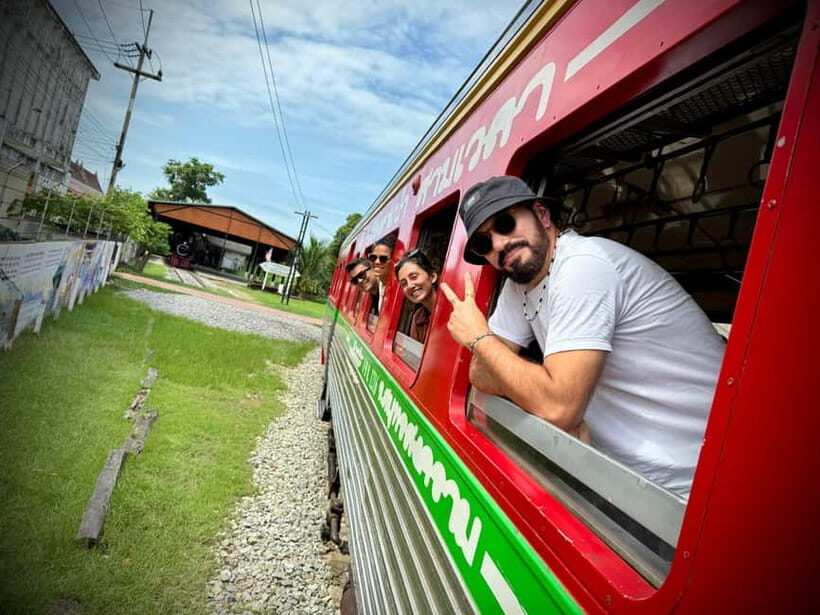
Also, transportation is part of the experience here, not just a transfer. You ride in a van, then you’re on a local train, then you’re on a longtail boat. That’s why the day feels full even though you’re only at each market for about an hour.
Maeklong Railway Market: The Train-Passing Moment You Can’t Fake
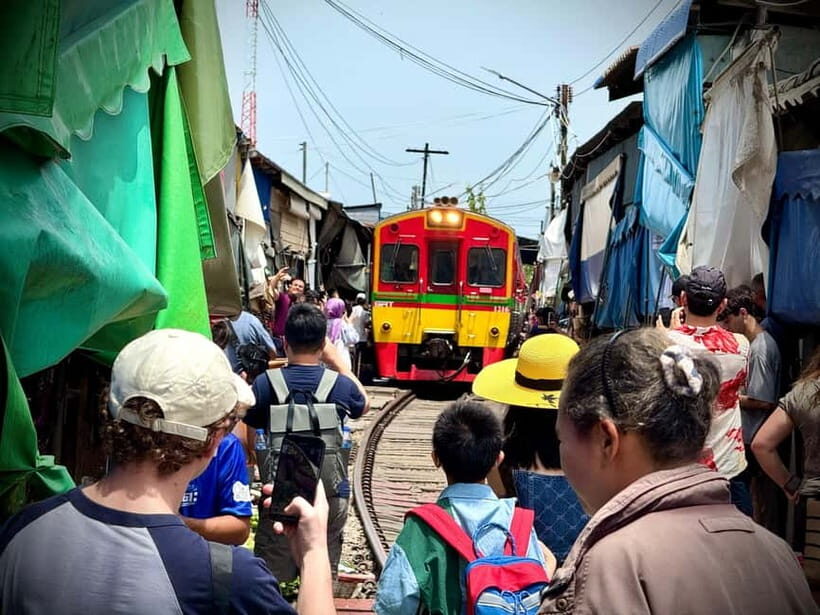
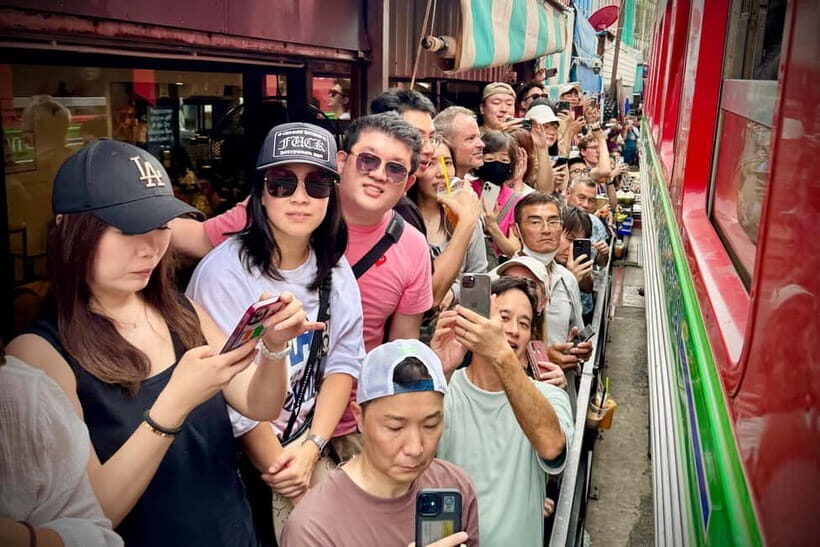
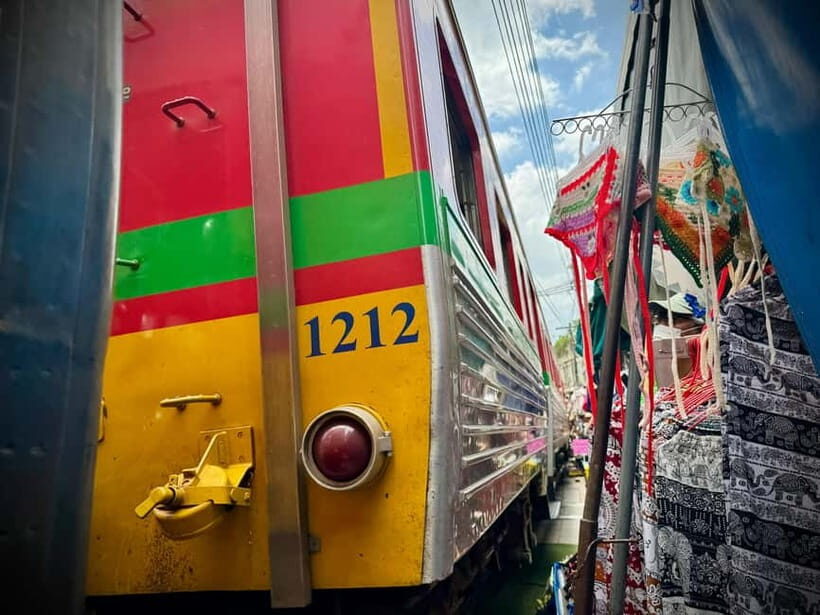
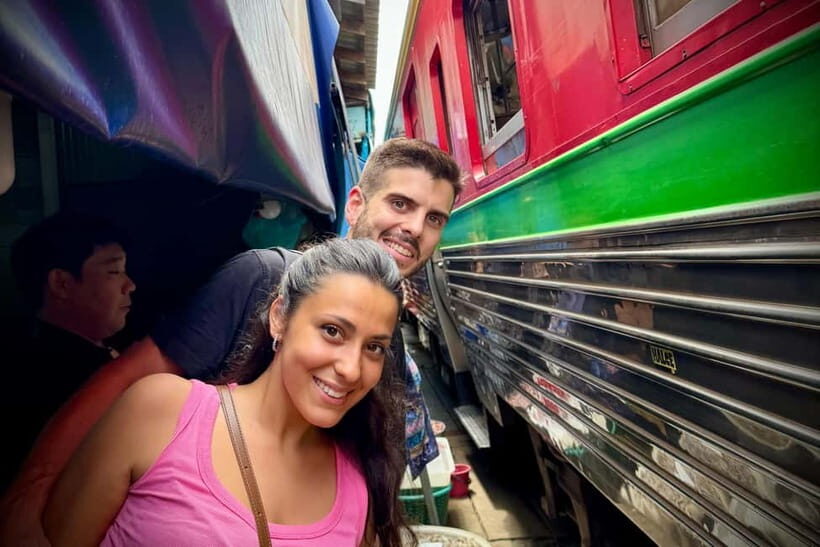
Maeklong Railway Market has one unforgettable trick: the market is set directly along active railway tracks, and the vendors respond in real time as the train approaches.
Here’s what you should expect when you’re there:
- You’ll arrive and get about an hour to explore and take photos.
- When the train comes through, vendors pull back umbrellas and goods just seconds before it passes.
- You’re close enough to understand the scale, which makes it feel both dramatic and oddly calm.
The key to enjoying this without feeling like you’re watching through a crowd is where you stand. Stay near the tracks but don’t block people who are moving. If you want photos, choose a spot that gives you a clean line of sight and then commit—keep shifting and you’ll lose the timing window.
One practical tip: wear comfortable shoes. You’re not just standing for the big moment. You’ll walk through the market lanes, and the ground can be uneven because this is a working market, not a staged walkway.
Also, manage expectations. Yes, it’s touristy—this is one of those Thailand scenes that spread worldwide. But the reason it’s still worth it is that the train passing is not a gimmick. It’s real schedule + real routine.
Longtail Boat to Damnoen Saduak: Canal Views and a Slower Pace
After Maeklong, the day switches to water travel. You’ll transfer to the pier and board a traditional longtail boat for a ride through narrow canals.
What I find smart about including this boat section is simple: it gives you a break between two intense sights. On the boat, you’re not constantly negotiating a walkway. You’re watching Thai daily life slide by.
During the ride, you’ll pass:
- wooden houses along the canal edges
- temples visible from the waterway
- everyday canal-side activity
The boat ride itself is about 45 minutes, which is long enough to feel like you changed environments, but not so long that it turns into a sitting test in the heat.
If you’re sensitive to sun, bring protection you’ll actually use. A hat and sunscreen matter here because the canals don’t always offer shade. And bring water. It’s included? No. But the tour often provides small comforts in practice (some guides even provide snacks), so at minimum you should plan to buy or carry your own.
Damnoen Saduak Floating Market: What to Do in Your Hour
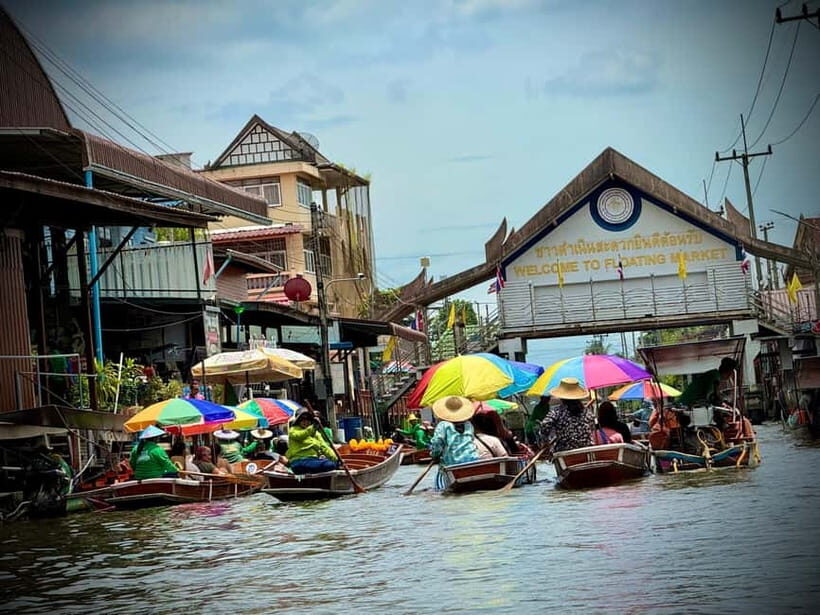
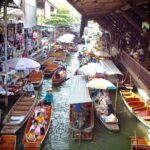
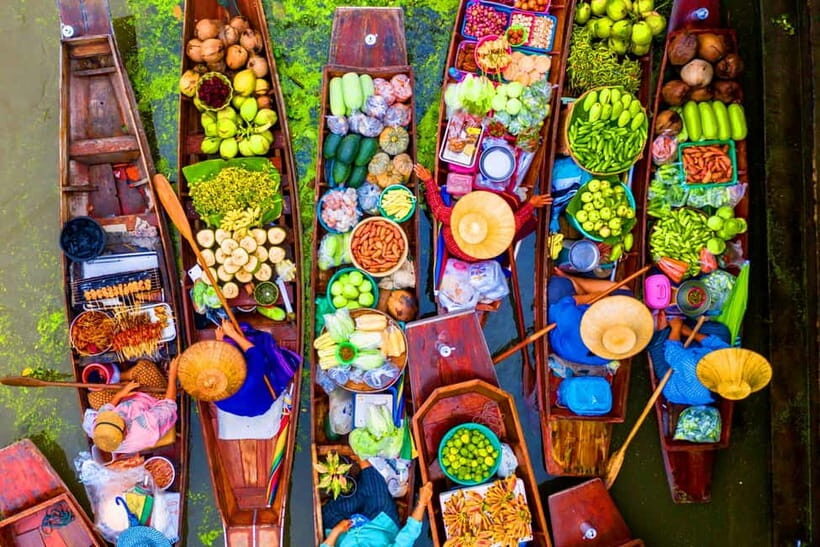
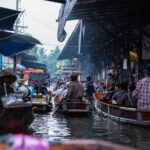
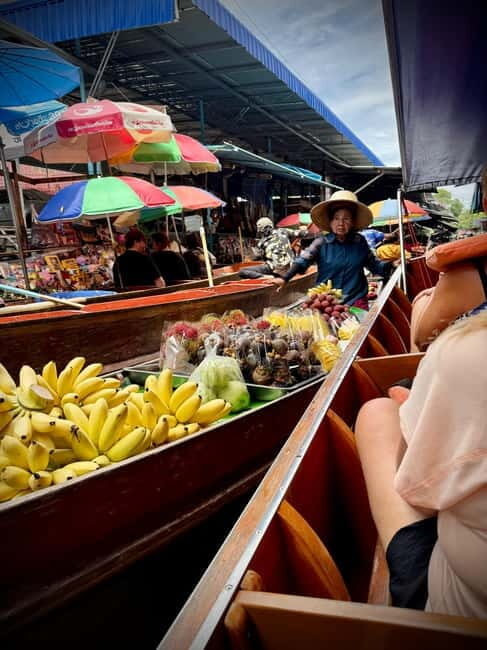
Damnoen Saduak is the one with postcard colors—boats stacked with goods, vendors calling, and constant motion in every direction. It’s also the one where it helps to know what you’re there for besides photos.
You’ll get around an hour of free time at the floating market, plus some guided context while you’re there. That hour is usually enough to:
- wander by boat and dock areas
- try quick bites
- look for souvenirs made locally
A practical mindset: treat it like browsing a food market plus a crafts market. Don’t expect a single perfect stall lineup. You’ll want a route in your head. Decide before you wander whether you’re hunting snacks, fruit, or handmade goods, then circle back if something catches your eye.
Other shopping tours in Pattaya

Lunch reality
The tour includes time for lunch at Damnoen Saduak, but meals aren’t included, so plan to pay for what you order. The upside is flexibility: you can choose something light if you’re hot or choose a more filling meal if your energy is good.
Food and snacks
This market is known for easy street-style sampling—fresh fruit and grab-and-go Thai snacks. If you’re game, try one or two small items instead of committing to a huge meal. It keeps your options open, and you’ll get a better sense of what’s common here versus what’s overly tourist-focused.
The Audio Guide in 28 Languages: How to Use It Without Fuss
Here’s one of the best “value per minute” features: an audio guide available in 28 languages, delivered by QR code to your phone, with headphones. The live guide provides explanations in English only, but the audio guide helps you follow in the language you prefer.
Important practical points:
- You need your own mobile device and headphones.
- It’s not live translation audio. It’s pre-set audio.
- If your phone battery is low, you’ll feel it immediately, because the tour moves.
I’d treat your phone like a tool, not a camera only. Download anything you can beforehand, test your headphones before leaving your hotel, and charge your phone the night before. If you tend to run low on battery from maps and photos, carry a small power bank if you can.
Why this matters
In a day trip where you’re bouncing between train tracks and canals, you might not catch cultural context just by watching. The audio guide turns the chaos into meaning—why vendors sell certain goods, what you’re seeing, and how the two markets fit into Thai daily life.
And if your guide is names like Jenny, Woody, Tukta, or NJ (those are guide names associated with strong feedback), you can pair the live English explanations with the audio for more detail without slowing the group down.
Price and Value: What $25 Buys You in Real Terms
At about $25 per person, this is one of those Thailand day trips that feels reasonable because you’re not just paying for transport. You’re paying for three specific experiences that would each take time to assemble on your own:
- train time that connects you to Maeklong’s railway-market setup
- a longtail boat ride that gets you into Damnoen Saduak the traditional way
- guided organization that keeps the day from unraveling in traffic and timing
Also included:
- an English-speaking licensed guide
- accident insurance
- the audio guide in 28 languages
What’s not included is just as important for budgeting:
- meals
- personal expenses
So where does the value land? If you want the full package—train + boat + guided flow + market time—this price makes sense. If you’re only interested in one market, you might feel the cost squeeze. But if you want the contrast, it’s a solid deal.
Practicalities That Actually Affect Your Comfort
This tour is not built for anyone who needs step-free or wheelchair-friendly access. It’s also listed as not suitable for people over 243 lbs (110 kg), and it isn’t described as mobility-friendly. If that applies to you, it’s worth looking for a different format.
For the rest of us, comfort planning is the difference between a great day and a sweaty one:
- Comfortable shoes: you’ll walk through market areas.
- Hat and sunscreen: sun exposure is real on boat and in open market zones.
- Water: you’ll want it during the day.
- Camera: you’re going to want both wide shots and close-ups near the rail.
One more heads-up: Bangkok traffic is heavy, and your return timing may flex a bit. That doesn’t ruin the trip, but it explains why arriving early and staying with the group is important.
Who This Trip Fits Best
This day trip is a strong match if you:
- want iconic Thai market scenes without DIY logistics
- like watching living traditions rather than just looking at buildings
- enjoy short guided context but still want time to wander on your own
It’s especially good for first-time visitors to Thailand who want two major market styles in one day.
If you hate crowds or you get cranky when you’re outdoors in heat, consider aiming for the earliest departure and treat the market stops as sightseeing plus browsing, not as peaceful wandering.
Should You Book the Maeklong and Damnoen Saduak Day Trip?
I think you should book it if your goal is a “one-day best-of” experience with real local action: a train passing through the market and a longtail boat ride through canals. The inclusion of the audio guide in 28 languages is a genuine quality-of-life perk for international visitors, and the hour-long exploration windows keep the day from feeling like a nonstop rush.
I’d skip it if:
- you want quiet, low-crowd sightseeing
- you have mobility needs that make uneven, market-style walking hard
- you’re on a very tight budget but only care about one market
If you’re deciding between start times, pick the one that fits your energy and heat tolerance. Early is often easier. Late can be more relaxing. Either way, you’ll get the two headline moments that make this trip memorable.
FAQ
How long is the trip?
The duration listed is 510 minutes, with start times depending on the option you choose.
What is the main schedule like?
You’ll travel from Bangkok by van, then take a local train for Maeklong Railway Market, followed by a short transfer and a longtail boat ride to Damnoen Saduak Floating Market, and then you return to Bangkok by van.
Does the guide translate in real time?
No. The live guide speaks English only, and the audio guide is delivered via QR code in 28 languages. It is not real-time translation.
What’s included in the price?
Included items are a licensed English-speaking guide, an audio guide in 28 languages, the train ride through Maeklong Railway Market and countryside, the longtail boat ride to Damnoen Saduak, and accident insurance.
How much free time do you get at each market?
You get about 1 hour at Maeklong Railway Market and about 1 hour of free time at Damnoen Saduak Floating Market.
Are meals included?
No. Meals are not included, even though there is time for lunch during the Damnoen Saduak stop.